Vitamin C is also called ascorbic acid and ascorbate. It has many benefits. Vitamin C is an antioxidant. This means that it fights cell damage in your body. Damaged cells raise your risk for cancer and heart disease. Vitamin C may help you resist these diseases. But does it help cure the common cold? So far, there is no evidence that taking vitamin C truly helps cure colds.
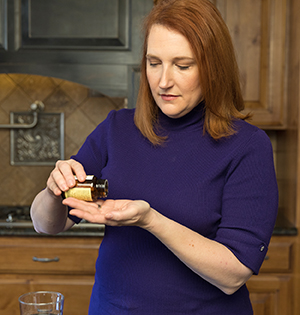
Suggested daily amount
The amount of vitamin C you need each day depends on your age, as well as other factors:
-
Adult males need 90 mg of vitamin C daily.
-
Adult females need 75 mg of vitamin C daily.
-
You need 120 mg of vitamin C daily if breastfeeding.
-
Add 35 mg more vitamin C each day if you smoke.
Talk with your health care provider to find the right amount of vitamin C for you.
Why use a supplement?
Most people get enough vitamin C from the foods they eat to meet the suggested daily amount. But some people need more than they’re likely to get from diet alone. This includes smokers and people under extreme stress. You might want to use a vitamin C supplement if any of these are true for you:
-
You smoke or often breathe secondhand smoke.
-
You have a greater risk for heart disease or cancer.
-
You eat fewer than 5 servings of fruits and vegetables daily.
-
You do not eat citrus or other foods that have vitamin C on most days.
-
You are under a lot of stress.
-
You are recovering from a serious burn or injury.
Food sources of vitamin C
Vitamin C is in many fruits and vegetables. Good sources include:
-
Citrus fruits and juices (grapefruit, oranges, limes, and lemons).
-
Cranberry juice.
-
Kiwis, strawberries, mangoes, and papayas.
-
Tomatoes, bell peppers, and potatoes.
-
Bok choy, broccoli, cabbage, and cauliflower.
If you take vitamin C
Here are some tips to help you get the most from a vitamin C supplement:
-
Take no more than 500 mg at a time, or 1,000 mg per day.
-
Read the label to be sure the product won't expire soon.
-
Store supplements in a cool, dry place, away from sun and heat.
-
Eat a healthy diet to get all the nutrients your body needs.
Online Medical Reviewer: Diane Horowitz MD
Online Medical Reviewer: Donna Freeborn PhD CNM FNP
Online Medical Reviewer: Louise Cunningham RN BSN
Date Last Reviewed: 03/01/2025
© 2000-2026 The StayWell Company, LLC. All rights reserved. This information is not intended as a substitute for professional medical care. Always follow your healthcare professional's instructions.