Some foods are weighed in ounces. Some are measured in spoons or cups. Others, such as fruits, are based on an average or medium size. Below are some serving sizes and tips to help you judge just what 1 serving looks like.
Ounces
-
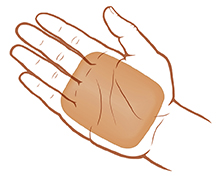
A serving of meat, poultry, or fish is 2 to 3 ounces. This looks like the size of a deck of cards or the palm of the hand.
-
A serving of natural cheese is 1½ ounces. This looks like the size of 3 to 4 dice. A serving of processed cheese is 2 ounces.
A medium-sized piece
-
A serving of fresh, whole fruit is 1 medium-sized piece.
-
A serving of melon is a 2-inch slice or 1 cup diced or melon balls.
Tablespoons and teaspoons
-
A serving of peanut butter is 2 tablespoons.
-
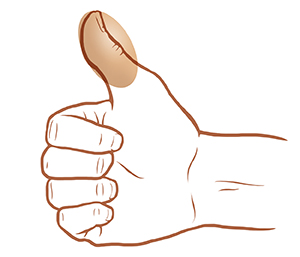
A serving of salad dressing is 1 tablespoon. This is about the same size as the thumb.
-
A serving of fat, oil, or sugar is 1 teaspoon.
Cups
-
A serving of these foods is ½ cup: cooked cereal, rice, dried beans, or pasta; cooked or chopped raw vegetables; chopped, cooked, or canned fruit.
-
A serving of vegetable or fruit juice is ¾ cup.
-
A serving of these foods is 1 cup: raw, leafy vegetables; berries; milk; or yogurt.
-
A serving of ready-to-eat cereal is ½ cup, ¾ cup, or 1 cup. The Nutrition Facts label tells you just how much 1 serving is.
-
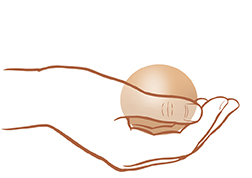
A baseball or average-sized fist is about 1 cup.
-
A tennis ball is about ½ cup.

These are just a few examples. For a longer list, you can search online through sources such as the Academy of Nutrition and Dietetics at eatright.org or the American Heart Association at heart.org . Or ask your doctor for help.
Online Medical Reviewer: Daphne Pierce-Smith RN MSN
Online Medical Reviewer: Raymond Turley Jr PA-C
Online Medical Reviewer: Shaziya Allarakha MD
Date Last Reviewed: 04/01/2025
© 2000-2026 The StayWell Company, LLC. All rights reserved. This information is not intended as a substitute for professional medical care. Always follow your healthcare professional's instructions.

