Dismiss Modal

Healthy Living

Normal Growth

Choose a preferred language

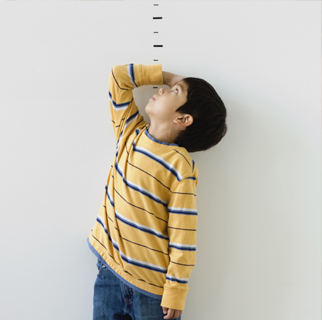
Toddler measuring himself with a drawn ruler on a wall.

What is considered a normal growth rate?

Normal growth is grouped in a range that pediatricians use to see how a child is growing. Here are some average height and weight ranges, based on growth charts developed by the CDC.

Age

Height - Females

(in inches)

Height - Males

(in inches)

Weight - Females

(in pounds)

Weight - Males

(in pounds

1

27 to 31

28 to 32

15 to 20

17 to 21

2

31.5 to 36

32 to 37

22 to 32

24 to 34

3

34.5 to 40

35.5 to 40.5

26 to 38

26 to 38

4

37 to 42.5

37.5 to 43

28 to 44

30 to 44

6

42 to 49

42 to 49

36 to 60

36 to 60

8

47 to 54

47 to 54

44 to 80

46 to 78

10

50 to 59

50.5 to 59

54 to 106

54 to 102

12

55 to 64

54 to 63.5

68 to 136

66 to 130

14

59 to 67.5

59 to 69.5

84 to 160

84 to 160

16

60 to 68

63 to 73

94 to 172

104 to 186

18

60 to 68.5

65 to 74

100 to 178

116 to 202


A child may be growing, but their growth pattern may not fit the normal pattern. And this is OK. Ultimately, the child should grow to normal height by adulthood. If you think your child or teen is not growing correctly, always talk with your child's healthcare provider.

Featured in

© 2000-2025 The StayWell Company, LLC. All rights reserved. This information is not intended as a substitute for professional medical care. Always follow your healthcare professional's instructions.
Related Articles
Read article
Wellness
Making a Fire Safety Action Plan

Time is critical when fire is involved. To protect your family in case of a fire in your home, create a fire safety action plan. This teaches your family what to do in a fire, and can help save lives. This sheet explains how to make a fire safety action plan.

Read article
Wellness
Childhood Vaccines

To keep your child healthy, they should receive the recommended childhood vaccines or immunizations. Many vaccines are given in a series of doses over a certain period of time. To be protected, your child needs each dose at the right time. Vaccines may cause mild side effects. Talk with your healthcare provider about the risks and benefits of vaccines.

Read article
Wellness
Water Safety—Prevention

A detailed look at water safety and drowning prevention tips for kids of all ages.

Read article
Wellness
When Your Child Has Breath-Holding Spells

During a breath-holding spell, your child holds their breath for a while before briefly losing consciousness. Breath-holding spells often happen after a trauma or an emotional upset. They occur most often in children under age 3. They can be scary for both parents and children. But they usually aren't a serious problem. And they often stop by the time a child is 5 or 6 years old.