Recovery

How to Empty Your Drain After Surgery

Choose a preferred language


Step-by-Step

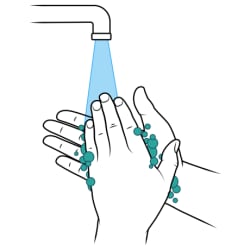
  1. Hands scrubbing with soap under faucet with running water.

    Wash your hands.

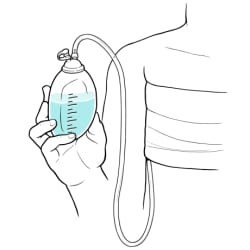
  2. Bulb filled with fluid and held upright, with cap closed and tube connecting bulb to surgical site.

    Hold bulb upright.

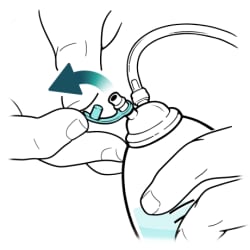
  3. Close-up of bulb opening, with bulb cap being opened.

    Open bulb cap.

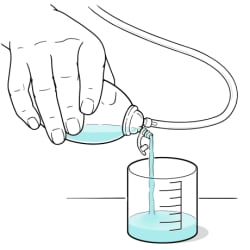
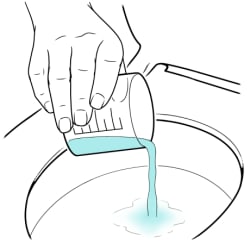
  4. Fluid being poured from bulb into measuring cup.

    Squeeze fluid into measuring cup.

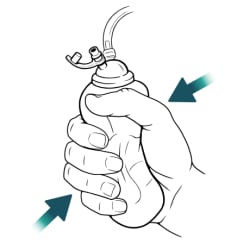
  5. Hand wrapped around bulb, squeezing it.

    Squeeze air out of bulb.

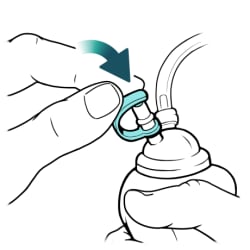
  6. Close-up of bulb opening, showing cap being closed.

    Close bulb cap.

  7. Hand writing on log next to measuring cup containing fluid.

    Record fluid in measuring cup.

  8. Pouring fluid from measuring cup into toilet.

    Pour fluid into toilet.

  9. Hands scrubbing with soap under faucet with running water.

    Wash your hands.

Featured in

© 2000-2026 The StayWell Company, LLC. All rights reserved. This information is not intended as a substitute for professional medical care. Always follow your healthcare professional's instructions.


Related Articles
Read article
Surgery
Discharge Instructions: After Your Surgery

Here are some tips for feeling better and getting well after surgery.

Read article
Surgery
Discharge from Outpatient Surgery

This sheet will help you learn what to expect after your outpatient surgery. It covers medicines, recovering at home, and follow-up care.

Read article
Surgery
Wound Check After Surgery: Infection

Infection after surgery often affects just the top layers of skin. Sometimes the infection is deeper in the wound and may include a collection of fluid or pus. Treatment will depend on the type of infection.

Read article
Surgery
Wound Check After Surgery: Bleeding

It is normal to have some clear or bloody discharge on the wound covering or bandage for the first few days after surgery. Bleeding or discharge needing frequent dressing changes can be a sign of a problem. Read on for details.