Lice are small insects that feed on human blood. They attach themselves to hair. Those that infest hair in the groin area are called pubic lice. They are also called crabs. These lice can infest coarse hair on other parts of the body, too, such as a beard, the armpits, and chest. They can also sometimes be found on eyebrows and eyelashes.
What causes pubic lice?
Pubic lice are spread from person to person during sexual contact. You may also get them if you touch the personal items of someone with lice. Such items include bedding or clothing.
Symptoms of pubic lice
Itching is the main symptom of pubic lice. If you scratch the infested area too much, the skin can become irritated and sore. You may also see visible lice eggs or crawling lice in the infested hair. They look like brown, yellow, or gray specks. People who have had lice for awhile may develop blue-gray spots on their skin.
Treatment for pubic lice
Pubic lice can be treated. Treatment includes:
-
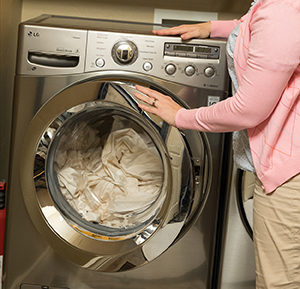
Sanitary measures. Wash all clothing, bedding, towels, and other personal items in hot water. The water should be at least 130°F (59.4°C). This will kill the pubic lice. After washing, dry the items in the dryer on the hottest setting. You can also dry-clean the items, if needed. If you can't wash or dry-clean an item, put it in a sealed plastic bag for 2 weeks.
-
Medicine. Over-the-counter lotions can kill the lice. Prescription medicines are also available if needed.
-
Physical removal. After using medicine, you can remove any remaining lice. A fine-toothed comb or tweezers may help.
Other steps for public lice
-
Tell all sexual partners that you have pubic lice to stop their spread to other people.
-
Have your healthcare provider check that you don’t have any other sexually transmitted infections.
When to call your healthcare provider
Call your healthcare provider right away if any of the following occur:
-
Fever of 100.4°F (38°C) or higher, or as directed by your healthcare provider
-
Pain that gets worse
-
Symptoms that don’t get better, or get worse
-
New symptoms
Author: Semko, Laura
© 2000-2025 The StayWell Company, LLC. All rights reserved. This information is not intended as a substitute for professional medical care. Always follow your healthcare professional's instructions.