Preparing for your knee replacement helps make your recovery faster and smoother. You can even prepare for the rehabilitation program that you’ll follow after surgery. It will help you strengthen and use your new knee.
Why preparing for recovery helps
The more in shape you are before surgery, the sooner you’ll be able to get back to activities you enjoy.
You can help speed up your recovery by:
-
Strengthening and stretching your leg muscles. This helps to support the knee as it heals. It also gives you a head start on rehab.
-
Preparing to use a walker or crutches. Learn to safely use walking aids before surgery. This will help you get up and around sooner. Strengthening your upper body can also make it easier to use walking aids.
-
Preparing your home. Make some simple arrangements at home. These can prevent falls. They can also make daily tasks easier as you recover. This includes moving objects you’ll need within reach and asking in advance for help with certain chores. You should also remove objects on the floor that could cause a fall, such as loose rugs and cords.
You and your team
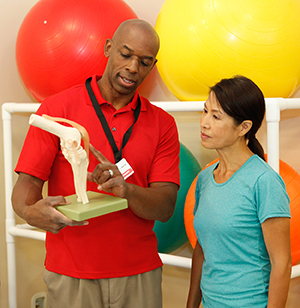
Your healthcare team may include:
-
A physical therapist (PT). The PT will design an exercise program to build strength and aid recovery.
-
An occupational therapist (OT). An OT will help you make daily activities safer and easier during recovery.
-
An orthopedic surgeon. This healthcare provider will do the surgery and oversee your care.
-
A nurse or case manager. They will coordinate your care.
Understanding your role
When it comes to getting ready for recovery, much of the work is up to you. So make time each day for the exercises you’ve been given. Always follow the instructions that your healthcare team gives you.
Online Medical Reviewer: L Renee Watson MSN RN
Online Medical Reviewer: Raymond Turley Jr PA-C
Online Medical Reviewer: Thomas N Joseph MD
Date Last Reviewed: 04/01/2024
© 2000-2026 The StayWell Company, LLC. All rights reserved. This information is not intended as a substitute for professional medical care. Always follow your healthcare professional's instructions.