You can keep your knee healthy by knowing the right moves and not doing the wrong ones. Some activities could harm your artificial knee and may be permanently restricted. Your healthcare provider and physical therapist will give you specific instructions and advice.
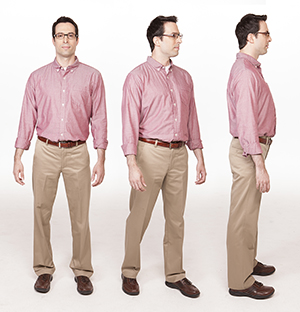
Do’s:
-
Place your knee comfortably as you go about daily activities.
-
Exercise and walk every day as directed by your health care provider.
-
Use an ice pack if your knee starts to swell or feel tender.
Don’ts:
-
Don't twist your knee. Turn your whole body instead.
-
Don't jump or do any impact activity. It could loosen your new knee joint.
-
Don't force movements, such as bending your knee too far.
-
Don't put a pillow behind your knee when you are resting. This may keep you from straightening it fully.
Follow-up care
Your orthopedic surgeon will schedule follow-up exams to make sure that your knee is healing the right way. Use this time to ask any questions you have about your recovery or activities.
Online Medical Reviewer: L Renee Watson MSN RN
Online Medical Reviewer: Raymond Turley Jr PA-C
Online Medical Reviewer: Thomas N Joseph MD
Date Last Reviewed: 03/01/2025
© 2000-2026 The StayWell Company, LLC. All rights reserved. This information is not intended as a substitute for professional medical care. Always follow your healthcare professional's instructions.