If you have osteoporosis, you can do a lot to reduce its effect on your life. Knowing how to prevent fractures and spinal curvature can help you live more comfortably and safely with this disease.
Reducing your risk for fractures
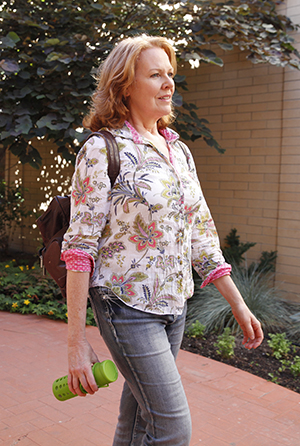
The most common fracture sites in people with osteoporosis are the wrist, spine, and hip. These fractures are often caused by accidents and falls. All fractures are painful and may limit what you can do. But hip fractures are very serious. They often need surgery, and it can take months to recover. To reduce your risk for fractures:
-
Get regular exercise. Try walking, swimming, or weight training.
-
Eat foods that are rich in calcium, or take calcium supplements.
-
Make your home safe to help avoid accidents.
-
Take extra precautions not to fall in risky areas, such as icy sidewalks.
Understanding spinal fractures
Your spine is made up of many bones called vertebrae. Osteoporosis can cause the vertebrae in your spine to collapse. As a result, your upper back may arch forward, creating a curvature. Spine fractures may also result from back strain and bad posture. You will also lose height. Your lower spine must then adjust to keep your body balanced. This can cause back pain. To prevent or lessen these spinal changes:
-
Practice good posture.
-
Use proper techniques if you need to lift heavy objects.
-
Do back exercises to help your posture.
-
Lie on your back when you have pain.
-
Ask your healthcare provider about these and other ways to help your spine.