Because inhalants are often common household items, they're hard to control. If your child is abusing inhalants, talk to them in a supportive, non-accusatory way. Make sure your child knows the risks of inhalant use. Also talk with a healthcare provider about treatment.
The risks of inhalant abuse
Over time, inhalant abuse may lead to addiction. This means that children may have an intense craving for the drug. And they may not be able to stop using it. In rare cases, inhalant abuse can lead to sudden death (sudden sniffing death syndrome). Long-term use can also cause health problems such as:
-
Weight loss
-
Muscle weakness
-
Loss of coordination or loss of hearing
-
Heart, kidney, or liver damage
-
Bone marrow damage
-
Damage to the brain, nerves, or both
How is inhalant abuse treated?
Your healthcare provider can help you decide the best treatment for your child. Treatment centers for inhalant abuse do exist. You can also call or visit a local mental health clinic.
You can help prevent inhalant abuse
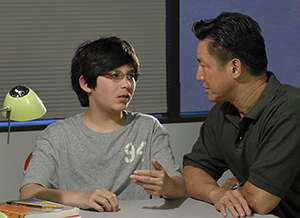
Talk to your children about inhalants and the dangers of inhalant abuse. And be alert for signs of a problem. Some parents don’t know about inhalants. They may be more worried about alcohol and drug abuse. But inhalant abuse can be just as serious. And it often starts sooner than other types of drug abuse, often in grade school. So, as hard as it may be for you, education needs to start when your children are young. Talk to your child about drugs. Be clear that you expect them not to use drugs. Set a good example. Listen to your child's pressures. And get help if you think your child is using drugs.
To learn more
-
National Capital Poison Control Center, 800-222-1222
-
SAMHSA's Substance Abuse and Mental Health Services Helpline, 800-662-HELP (800-662-4357)