Stress and anxiety can make breathing harder. When it’s hard to breathe, it’s natural to get anxious and start to panic. This makes you even more short of breath. This sequence is known as the dyspnea cycle. It’s common among people with chronic lung disease. Talk with your healthcare provider about how you're feeling. It's important for them to understand what's going on and how it's affecting your life. Breathing training and coping methods can help you manage stress and anxiety.
Understanding the cycle
When you’re short of breath, your breathing muscles get tense. It’s hard to take a deep breath. You may worry that you’re not getting enough air. Then you start breathing faster. And you become more short of breath. You may even start to panic. This makes symptoms seem worse. Often, people with chronic lung disease try to prevent this cycle. They limit their activity, stay at home, and don't do anything that could cause shortness of breath. You don’t have to live this way.
Ways to relax
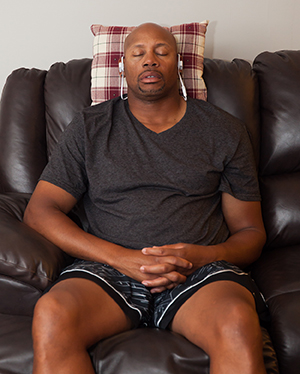
When you find yourself getting stressed or anxious, make an effort to relax. Doing so will help break the dyspnea cycle. Sit in a quiet, comfortable place. Do pursed-lip and diaphragmatic breathing. You may also find these things helpful:
-
Activities that help you relax. These can include reading a good book, listening to music or relaxation tapes, practicing yoga or tai chi, meditating, and praying. Find things that work for you.
-
Visualization. Picture yourself in a peaceful place, such as the beach. Feel the warm sand. Hear the waves. Smell the ocean. Doing this may help you feel more relaxed.
-
Medicines that can help make breathing easier. Your healthcare provider may advise using a bronchodilator along with other relaxation methods.
Tips
To prevent shortness of breath from limiting your life:
-
Right now. Learn to stop an attack with pursed-lip breathing, diaphragmatic breathing, and relaxation methods. If you don’t know how to do these, ask your healthcare provider.
-
In day-to-day life. Learn to maximize your energy and to breathe during activity. This can help you do more.
-
Over time. Start exercising. This can help your body start to handle more activity.