Post-thrombotic syndrome (PTS) is a condition caused by damage to veins from a blood clot. PTS can cause chronic pain, swelling, and other symptoms in your leg. It may develop in the weeks or months after a deep vein thrombosis (DVT) of the leg. DVT is a common condition, especially in people over 65. Post-thrombotic syndrome affects a large number of people who have had DVT. It can happen in any person and at any age.
How DVT affects leg veins
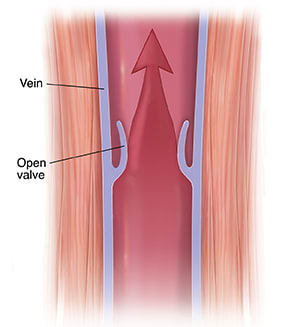
Veins are the blood vessels that bring oxygen-poor blood and waste products back to the heart. A DVT is a blood clot that forms in a vein deep inside the body. In most cases, this clot forms inside one of the deep veins of the thigh or lower leg. The veins in your legs have tiny valves that help keep blood moving back up toward the heart. But a DVT may damage these valves. This causes them to weaken or become leaky. When this happens, blood starts to pool in your legs.
What causes post-thrombotic syndrome?
Researchers are still learning why many people with DVT have post-thrombotic syndrome. Inflammation from the blood clot may damage the wall of the vein. This can raise the blood pressure in the legs. This also decreases the flow of oxygen-rich blood. These changes can lead to the symptoms of post-thrombotic syndrome.
Certain factors may make it more likely for you to get post-thrombotic syndrome. These include:
- Having obesity
- Having a DVT that causes symptoms
- Getting a thrombosis above the knee instead of below it
- Having more than one DVT
- Having increased pressure in the veins in your legs
- Not taking blood thinners after your DVT
Symptoms of post-thrombotic syndrome
Post-thrombotic syndrome may cause only a few mild symptoms. Or it can cause severe symptoms. The symptoms occur in the same leg that had the DVT, and can include:
- A feeling of heaviness in the leg.
- Itching, tingling, or cramping in your leg.
- Leg pain that's worse with standing, and better after resting or raising your leg.
- Swelling in your leg.
- Darkening or redness of the skin on your leg.
Diagnosing post-thrombotic syndrome
Your doctor will ask about your health history, including if you have had a DVT. They will ask about your symptoms and give you a physical exam. This will include a careful exam of your leg. You may also need some tests, such as:
- Ultrasound to look for problems with the leg vein valves
- Blood test to check for clotting problems with your blood
Doctors often use a Villalta score to assess post-thrombotic syndrome. This scale rates the severity of your symptoms and signs. A score higher than 15 is severe post-thrombotic syndrome.