After coronary artery bypass surgery, it's important to protect your incision and healing breastbone. Move carefully as you get up from sitting or as you get out of bed.
Getting up from sitting
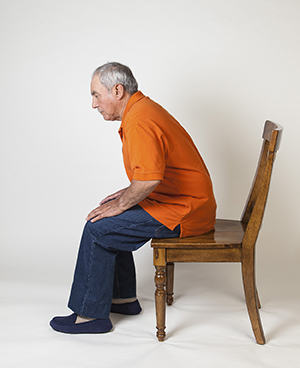
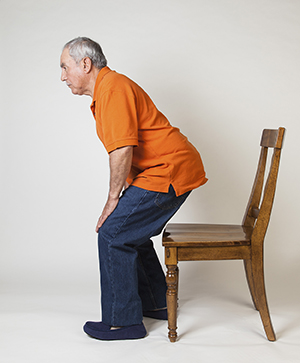
When you get up from a chair or couch, use your leg muscles, not your arms, to push your body up.
To stand up:
-
Scoot to the front of the chair.
-
Place one foot slightly in front of the other.
-
Put your hands on your thighs.
-
Bend forward from the hips and push your body up with your legs.
To sit down, use your leg muscles to lower yourself onto the front of the chair. Then use your leg muscles, not your arms, to scoot back.
Getting out of bed


When you get in and out of bed, keep your shoulders and hips in line. Also when you're getting out of bed, roll over to your side rather than trying to sit straight up.
To get out of bed:
-
Lie on your back and slowly scoot to the edge of the bed.
-
Bend your knees slightly and roll slowly onto your side.
-
Keep your upper arms close to the sides of your body. This can help prevent excess stress on your breastbone (sternum). Place your hands in front of your body and lean slightly forward.
-
Let your legs move slowly off the edge of the bed to the floor.
-
At the same time, as your legs gently swing to the floor, let the motion help raise your upper body to a sitting position.
-
Sit for a moment. This will help keep you from getting dizzy.
-
Put your hands on your thighs. Bend forward from the hips and push your body up with your legs.
-
Don't use your arms to push up. This is to prevent putting weight on your arms.
To get into bed, do the reverse.
Before you leave the hospital, your health care provider will show you how to get in and out of bed. And they will show you how to stand up from a sitting position. They will teach you the correct method for body alignment. And they will teach you movements to stay away from, such as pulling to the side and twisting, or pushing and pulling with your arms. When you go home, try to have someone there who knows how to do this, such as a friend, a family member, or a caregiver. This is for your support and safety. Ask your health care provider questions if you are unsure about what to do.
Featured in