A cardiac rehab (rehabilitation) program can take place in a hospital, a clinic, or a doctor's office. You'll work with a team of specialists. Your team may include doctors, nurses, exercise specialists, dietitians, and counselors. Cardiac rehab can help you get back into your normal routine. It gives you tools to improve your overall health for the rest of your life. If there is not a cardiac rehab facility nearby, ask about possible medical transport. Home-based cardiac rehab may be an option.
Program parts
A cardiac rehab program includes:
-
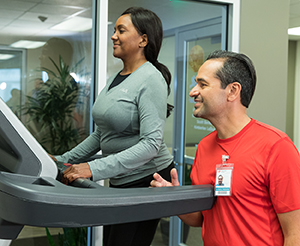
Exercise. You'll learn how to exercise safely. Your program will include exercises to increase fitness, endurance, and strength.
-
Nutrition education. You'll work with a dietitian to learn the best ways to eat for heart health. You'll also learn ways to use this knowledge when you shop, cook, and eat out.
-
Help managing risk factors. You'll learn about controlling related conditions. These include high blood pressure, high cholesterol, and diabetes. This can also include help managing your weight and stopping smoking.
-
Counseling. You'll get help dealing with the emotional aspects of heart disease and treatment. This may include help with managing stress, depression, and anxiety. It includes practical advice and support for quitting smoking, losing weight, being physically active, and continuing your sex life.
-
Help managing medicines. You'll learn why it's important to take your medicines as prescribed.
-
Family education. Your family can learn with you. That way they can help you to continue using your new skills and knowledge after you finish the program.
Featured in


