You have a condition called heart failure. When you have heart failure, a sudden weight gain or a steady rise in weight is a warning sign. It means that your body is retaining too much water and salt. This could mean your heart failure is getting worse. If left untreated, it can cause problems for your lungs and result in shortness of breath. Weighing yourself each day is the best way to know if you’re retaining water. If your weight goes up quickly, call your healthcare provider. You'll be given instructions on how to get rid of the excess water. You'll likely need medicines and have to avoid salt. This will help your heart work better.
When to call your healthcare provider
Call your healthcare provider if you gain:
-
More than
2 pounds in1 day -
More than
5 pounds in1 week -
Whatever weight gain you were told to report by your provider
This is often a sign of worsening heart failure and needs to be evaluated and treated. Your provider will tell you what to do next.
Tips for weighing yourself
-
Weigh yourself at the same time each morning, wearing the same clothes. Ideally, weigh yourself after urinating and before eating.
-
Use the same scale each day. Make sure the numbers are easy to read. Put the scale on a flat, hard surface. Don't put it on a rug or carpet.
-
Don't stop weighing yourself. If you forget 1 day, weigh yourself again the next morning.
How to use your weight chart
-
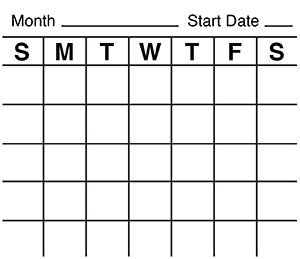
Keep your weight chart near the scale. Write your weight on the chart as soon as you get off the scale.
-
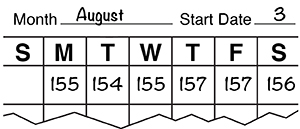
Fill in the month and the start date on the chart. Then write down your weight each day. Your chart will look like this:
-
If you miss a day, leave the space blank. Weigh yourself the next day and write your weight in the next space.
-
Take your weight chart with you when you go to see your provider.
Online Medical Reviewer: Ronald Karlin MD
Online Medical Reviewer: Stacey Wojcik MBA BSN RN
Online Medical Reviewer: Steven Kang MD
Date Last Reviewed: 04/01/2024
© 2000-2026 The StayWell Company, LLC. All rights reserved. This information is not intended as a substitute for professional medical care. Always follow your healthcare professional's instructions.