Red eyes are sometimes caused by viral or bacterial infections. But inflammation in one or both eyes often happens because of allergies or environmental irritants. Here's a closer look at these two common causes of eye inflammation and how to treat them.
Allergies
Do your eyes swell and itch when you pet a cat or dog? Do they get red, watery, and itchy every spring or summer? If so, you may have an allergy to animals. Or you may have an allergy to a fine powder (pollen) made by certain plants. Along with dust and mold, animals and pollen are the most common causes of allergies. Often both eyes will get inflamed when you are around whatever causes your allergy.
Treating the symptoms:
-
The only cure for an allergy is to stay away from the substance (allergen) that causes it.
-
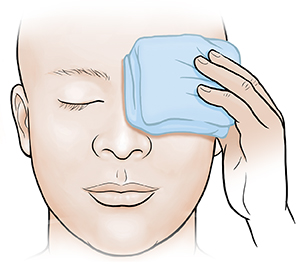
Eye drops and cold compresses can help reduce swelling. They can ease redness and itching.
-
Symptoms often get better if you use allergy eye drops. Or if you limit your contact with the allergen.
-
If your allergy is severe, your healthcare provider may prescribe oral medicine. This may include antihistamines or steroids.
-
Your healthcare provider may refer you to a specialist.
Environmental irritants
Your eyes can also be irritated by things such as:
-
Air pollution
-
Smoke
-
Fumes
-
Some eye drops, especially those with preservatives
-
Contact lenses, especially extended-wear lenses
-
Perfumes, makeup, or medicines
These environmental irritants can make your eye’s blood vessels swell. Your eyelids may get red and swollen. Your eyes may water. But they don’t often itch as much as they do with allergies. Depending on the cause, one or both eyes may be inflamed.
Treating the symptoms:
-
Stay away from the irritant.
-
Use cool compresses or ice packs
-
Try artificial tears to help flush out your eye. They lubricate the surface of your eye.
-
Ask your healthcare provider about medicated anti-inflammatory or anti-allergy eye drops. These can reduce swelling and ease redness.