After surgery you’ll be moved to the PACU (post anesthesia care unit) to be closely watched as you wake up from anesthesia. You may feel groggy from the anesthesia. You'll likely have some mild pain. There will be a dressing under your nose to absorb drainage. You may also have packing (absorbent bandage) inside your nose. You can often go home as soon as you’re stable, able to drink fluids, have pain under control, and no longer feel groggy. This is often the same day. In some cases, you may need to stay overnight.
The first week
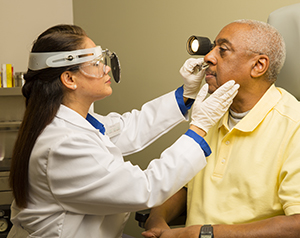
Your healthcare provider will schedule an office visit a few days after surgery to check on your progress. At this visit, your provider will remove dried blood and mucus to help you heal. They'll also remove any nasal packing. It’s normal to feel stuffiness and have pinkish or dark red drainage. Change your nasal dressing as needed, and take any prescribed medicines. Also be sure to drink plenty of water. Other guidelines from your provider may include:
-
Rinsing your nose and sinuses with saltwater
-
Sneezing with your mouth open
-
Not blowing your nose
-
Not doing strenuous exercise, straining, or lifting
-
Using a humidifier to keep nasal passages moist
-
Not taking aspirin or ibuprofen
-
Sleeping with your upper body raised
-
Not eating hot or spicy foods
The next few weeks
As you’re healing, it’s normal to feel some stuffiness and have nasal crusting. Keeping your nasal passages clean and moist will help speed the healing process and prevent scarring. Also be sure to:
-
Take medicine as directed
-
Stay away from irritating substances, such as dust, chalk, air pollution, and harsh chemicals
-
Use saltwater rinses or a humidifier as directed
-
Drink plenty of water
-
Stay away from people who are ill
-
Stay away from allergic triggers
-
Talk with your healthcare provider before swimming or air travel
When to call your healthcare provider
Call your healthcare provider right away if you notice any of the following:
-
Fever of
100.4 °F (38 °C) or higher, or as directed by your provider -
Swelling around the eye
-
Signs of infection, such as yellow or greenish drainage
-
Constant headache or increasing pain
-
Drainage of a large amount of clear fluid
-
Extreme tiredness (fatigue)
Call 911
Call 911or get immediate medical care if any of the following occur:
-
Large amount of bright red bleeding
-
Changes in vision
-
A stiff neck or headache with fever
Featured in