When you have GERD, stomach acid feels as if it’s backing up toward your mouth. Making lifestyle changes can often improve your symptoms. This is true if you take medicine to control your GERD or not. Talk with your health care provider about the following suggestions. They may help you get relief from your symptoms.
Raise your head
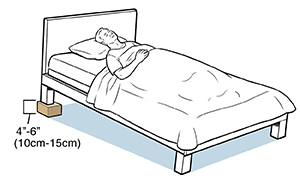
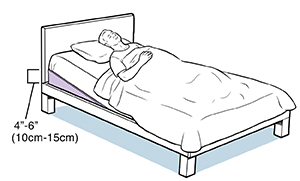
Reflux is more likely to happen when you’re lying down flat. That's because stomach fluid can flow backward more easily. Raising the head of your bed 4 to 6 inches can help. To do this:
-
Slide blocks or books under the legs at the head of your bed. Or put a wedge under the mattress. Many foam stores can make a wedge for you. The wedge should go from your waist to the top of your head.
-
Don’t just prop your head up on a few pillows. This increases pressure on your stomach. It can make GERD worse.
Watch your eating habits
Certain foods may increase the acid in your stomach. Or they may relax the lower esophageal sphincter. This makes GERD more likely. It’s best to avoid the following if they cause you symptoms:
-
Coffee, tea, and carbonated drinks (with and without caffeine)
-
Fatty, fried, or spicy food
-
Mint, chocolate, onions, tomatoes, and citrus
-
Peppermint
-
Any other foods that seem to irritate your stomach or cause you pain
Relieve the pressure
Tips include the following:
-
Eat smaller meals, even if you have to eat more often.
-
Don’t lie down right after you eat. Wait a few hours for your stomach to empty.
-
Don't wear tight belts or tight-fitting clothes.
-
Stay at a weight that's healthy for you. Talk to your doctor if you need help losing weight.
Tobacco and alcohol
Don't smoke tobacco. And avoid drinking alcohol. They can make GERD symptoms worse.
Featured in


