Tracking your fitness progress can help you improve your long-term health. Seeing how far you’ve come may motivate you to do more. Your health care provider can also use a record of your progress to help plan your treatment. If you need help thinking of a fitness activity, talk to your provider. Together you can find a safe activity that you enjoy.
Recording blood sugar levels
Your provider may have shown you how to check your blood sugar. Now that you’re more active, you may need to check it more often, such as before and after exercising. Ask your provider what they suggest. Keep a blood sugar log. That way you can see how your efforts are paying off. You may also include a column for blood sugar readings in a fitness log (see Keeping a Fitness Log below). Bring any log books and your meter with you to your appointments. Your provider can use them to help decide whether to change your medicines.
Setting a fitness goal
A fitness goal gives you something to reach for. Set a goal you can reach. It does no good if your goal is beyond your ability. And choose a goal that focuses on action. Be specific. For instance, your first goal may be to take 2, 10-minute walks a day for 1 week. After you reach your first goal, try making the next one more challenging. Invite a friend to exercise with you so you can encourage each other to strive toward your goals.
Keeping a fitness log
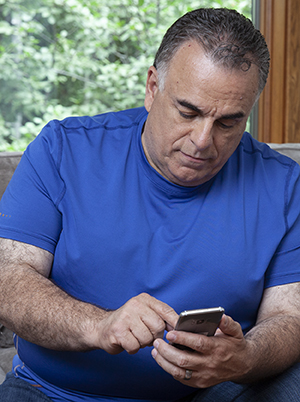
Include the information that matters most to you in your fitness log. This may be how you felt before, during, or after exercising. And don’t forget to record your blood sugar reading. As time goes on, compare your first entry with more recent entries. You may see a rise in your fitness level and a drop in your blood sugar. Write down what exercises you do. This is because aerobic, resistance, and other kinds of exercise can have different effects on your blood sugar. If you like technology, you can use apps that check and record fitness facts. This might include the number of minutes you exercised, your heart rate, hours of sleep, foods you ate before exercising, and distance covered. Many apps give daily, weekly, and monthly reports.
Your fitness reward
Your chances of reaching a goal increase if you plan a reward. Write down a nonfood reward that matters to you. For instance, you might reward yourself with a night at the movies, new workout clothes, or relaxing music.