Dismiss Modal

Management

Stroke: Resources and Support

Choose a preferred language

Your loved one may need ongoing therapy or nursing care after a stroke. Talk with a social worker or case manager. They can help with planning for care. They can tell you about local sources of support.


Planning for home care

  • A nurse may come and check their blood pressure.

  • A physical therapist may help with exercises. The therapist will often show your loved one and their family members certain exercises that can be done without supervision.

  • Speech and occupational therapists can help the whole family communicate and handle tasks of daily living better.
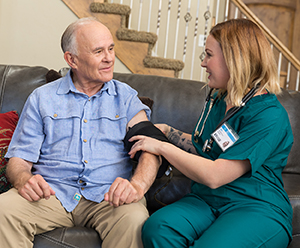
Health care provider taking man's blood pressure at home.


Adult daycare

You may be afraid to leave your loved one alone. Adult daycare facilities can provide supervision if you need time away during the day. They also give your loved one a chance to be with other people.


Other resources

You can also check the internet for other resources. Try the following listings:

  • Churches and synagogues

  • Recreation centers

  • Adult daycare

  • Social services

  • Support groups

  • Online stroke support communities

© 2000-2025 The StayWell Company, LLC. All rights reserved. This information is not intended as a substitute for professional medical care. Always follow your healthcare professional's instructions.
Related Articles
Read article
Brain Health
Effects of a Stroke on the Brain and Body

When blood supply is cut off from the brain, cells start to die from lack of oxygen. Within minutes, skills such as reasoning, speech, and movement of the arm, leg, or face may be affected. The type of skills and the amount of loss depend on which part of the brain was affected, and how much tissue was damaged.

Read article
Brain Health
Preventing Recurrent Stroke: Getting Active

Being active can help prevent a stroke. Learn ways to get moving after a stroke.

Read article
Brain Health
Mood Swings and Depression After a Stroke

After a stroke, a person may feel sudden or extreme emotions. Sadness and depression are common. Here are ways you can help.

Read article
Brain Health
Healthy Lifestyle to Prevent Another Stroke

Breaking old habits can be hard. But when your health is at stake, it's never too late to make changes for the better. Some lifestyle changes might be easy for you. Others might be tough.