A spinal cord injury (SCI) does not affect your lungs, but it can affect your breathing muscles (muscles of respiration). This can affect how well you breathe. It also puts you at higher risk for pneumonia and other lung problems. Your healthcare provider and healthcare team will work with you to manage any breathing problems you have. You can also take steps daily to keep your lungs healthy and your breathing strong.
How SCI affects breathing
The nerves involved with breathing start in the neck and continue down to the middle of the back. An SCI anywhere in this region (T12 or higher) can result in some loss of control of the breathing muscles. The extent to which breathing is affected varies for each person. You may need the use of equipment, such as a ventilator, for help with breathing. Or you may breathe on your own with little or no help. But no matter how much help you need, you’re at a higher risk of getting pneumonia than someone without an SCI. Your breathing care program and the tips below can help you prevent this and other complications.
Steps to prevent breathing complications
Follow this program to protect your lungs and improve your breathing. These tips can help:
-
Take precautions to prevent illness and pneumonia:
-
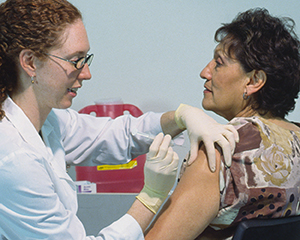
Get regular vaccines. These may help protect you against pneumonia and the flu.
-
Learn and watch for symptoms of pneumonia and other lung infections. See information on when to call your healthcare provider below.
-
Stay away from others who may be ill.
-
If you do become ill, get plenty of rest and take medicines as needed. It’s very important to treat your illness quickly so that it doesn’t get worse.
-
-
Prevent buildup of too much mucus in the lungs. Problems with the breathing muscles make it hard not only to breathe, but also to cough. When you have problems coughing, too much mucus builds up in your lungs. This causes congestion and makes infections more likely. To help keep your lungs clear:
-
Use the coughing techniques you were taught in rehabilitation to move mucus out of your lungs. Suctioning and other methods may also be used to remove excess mucus from your lungs and airway.
-
Drink plenty of water daily. This helps thin out mucus so it is easier to cough up.
-
-
Do breathing exercises daily. Breathing exercises strengthen your muscles of respiration and help make it easier to breathe. Do any exercises you were taught at least 2 to 3 times a day.
-
Stop smoking. Smoking limits the amount of oxygen that is carried to your organs and tissues. It also causes great harm to your lungs. If you smoke and need help quitting, talk with your healthcare provider.
When to call your healthcare provider
Call your healthcare provider or seek medical care right away if you have any of the following signs of pneumonia or possible lung infection:
-
Fever of 100.4°F (38°C) or higher, or as advised by your healthcare provider
-
Chills
-
Coughing with or without mucus
-
Cough that may produce greenish, yellow, or bloody mucus
-
Increased buildup of mucus and other secretions in the lungs
-
Rapid breathing, increased shortness of breath, or both
-
Sharp or stabbing chest pain that is worse with breathing and coughing
-
Pale skin
-
Loss of appetite, low energy, and fatigue
Lifelong care
After an SCI, you will need ongoing care to help you remain active and healthy. This not only includes managing breathing problems, but other health issues as well. Take active control of your health. Do what you can to stay healthy and reduce your risk of problems. Get support from your family and friends as you need it. And let your healthcare team know if you have any questions or concerns about your care.
Online Medical Reviewer: Anne Fetterman RN BSN
Online Medical Reviewer: Marianne Fraser MSN RN
Online Medical Reviewer: Rita Sather RN
Date Last Reviewed: 03/01/2024
© 2000-2026 The StayWell Company, LLC. All rights reserved. This information is not intended as a substitute for professional medical care. Always follow your healthcare professional's instructions.